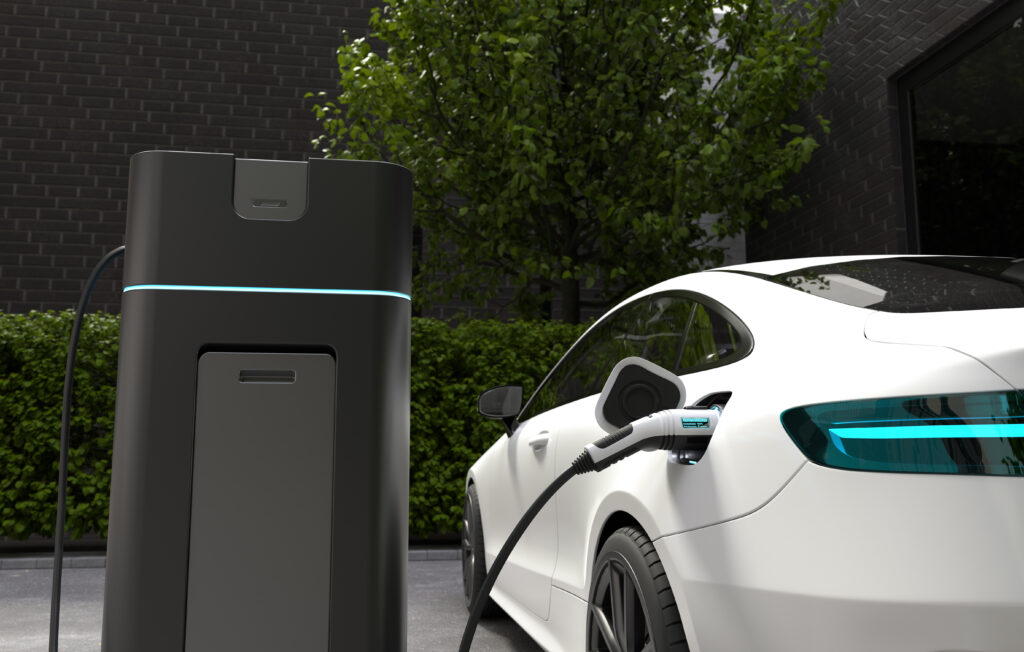
Latin America tripled its electric vehicle fleet in 2024. Learn about EV charging station distribution (Brazil, Mexico), investments, gaps and 2025 prospects for the EV charging station market.
Latin America’s EV Charging Station Race — Expansion, Figures & What’s Next
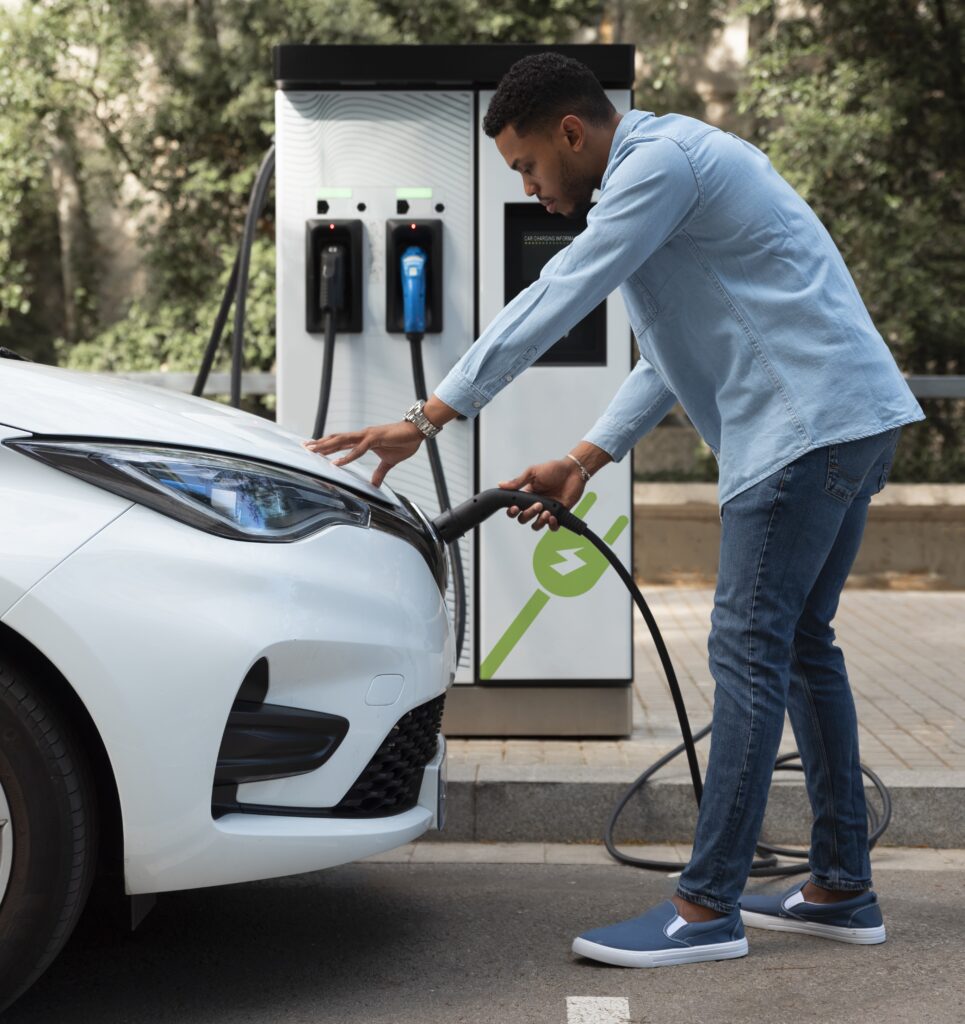
Latin America and the Caribbean saw a dramatic jump in electric vehicle adoption in 2024. Market analysis must move beyond vehicle counts: public charger distribution, policy drivers, and infrastructure gaps are now the real determinants of future EV growth. This post summarizes the regional charging-station landscape, investments and the major opportunities for infrastructure suppliers and investors.
Fast facts & figures (2024–2025)
According to OLACDE’s 2024 technical note, the region’s light electric vehicle fleet reached 444,071 units by end-2024, a nearly threefold increase from 2023 (249,079 → 444,071). Brazil and Mexico account for roughly 86% of regional charging infrastructure: Brazil’s charging stations expanded from 1,876 in 2023 to 12,700 in 2024; Mexico from 1,340 to 3,212 in the same period. olade.org
Where chargers are concentrated (regional breakdown)
- Brazil: Rapid rollout with strong private investment and state-level incentives. Public chargers growth is massive in urban corridors and highways connecting São Paulo, Rio and ports — aligning with growing EV registrations. (Latam Mobility reporting). Latam Mobility
- Mexico: Significant investments in urban charging and national corridor plugs — Mexico is also a manufacturing and export base for many automakers, accelerating local adoption. olade.org
- Andean & Southern Cone (Colombia, Chile, Uruguay): Notable growth rates in BEV sales (some countries reporting multi-fold increases in early 2025). However, absolute charger counts remain modest versus Brazil/Mexico. olade.org
Policy drivers and business models
- Incentives & import dynamics: Many Latin American markets rely on imports (notably from China). Duty regimes, incentives for EVs, and tax breaks for fleets have accelerated demand. (OLACDE technical note). olade.org
- Public-private partnerships: Brazil’s expansion shows OMCs, retailers and private charging firms jointly deploying fast chargers on highways; Mexico uses a mix of municipal incentives and private investment.
- Fleet electrification anchors: Operators in urban delivery, taxis and bus fleets often catalyse depot charging investments — giving stable utilisation to new stations.
Infrastructure gaps & technical constraints
On the EV charging station infrastructure front, the region’s public charging network is expanding fast. As of late 2024, some countries like Brazil and Mexico reported a boom: Brazil alone crossed 12,000 public charging points. Meanwhile, projections suggest that by 2033, the Latin America EV-charging-station market could hit USD 8.5 billion (from a 2024 base of ~USD 1.2 billion), implying a CAGR of ~22% between 2025–2033. IMARC Group
Analysts expect this trend to deepen — with rising urbanization, tightening emissions norms, and growing awareness about climate change — which will drive not only EV purchases but also demand for widespread, reliable charging infrastructure across cities and highways. Grand View Research+1
- Grid limitations: In some regions, distribution grids require upgrades to support clustered fast chargers. Rolling out chargers in secondary cities demands local grid reinforcement and collaboration with utilities. (ICCT / regional analyses). ICCT+1
- Interoperability & roaming: Fragmented payment systems and different charging network providers hinder seamless travel across countries — business models that offer roaming & clear billing have an advantage.
Market opportunities & forecasts
- Short term (2025–2027): Expect continued high single-digit to low double-digit percent annual growth in public chargers across major markets, with Brazil leading in absolute deployments and Mexico accelerating corridor coverage. OLACDE notes strong 2H-2024 growth momentum that continued into 2025. olade.org
- Medium term: Opportunities lie in turnkey charging solutions for fleets, fast-charging corridors, and integrated grid-friendly charging (smart charging + storage) to manage peak load.
Real-world example
Brazil’s July 2025 surge in installations followed coordinated public & private campaigns, including incentives for retail fast-charging hubs along highway corridors — delivering higher utilisation than isolated chargers in secondary towns. (Latam Mobility reporting). Latam Mobility
Sources & further reading
OLACDE — Electric Mobility in Latin America and the Caribbean. 2024 figures. olade.org
- Reuters — EV sales booming in South America. Reuters
- Latam Mobility — Brazil record growth July 2025. Latam Mobility
- ICCT briefing & regional analyses on EV charging. ICCT
- Unlocking Brazil’s EV Charging Potential: Policy Shifts, Customer Needs, and Market Gaps in 2025